


CFD helps design cooling systems for electronic devices
The electronics used in products keep changing and improving, but ensuring proper cooling for these components is still key to a successful product. Component assemblies are often packaged separately within the system, so understanding how components generate heat and developing cooling system designs is extremely complex, and engineers find it hard to do this well. So what would you design differently if you could see these components and model airflow and heat transfer? It is a superpower to see the invisible, letting you make smarter design decisions faster and find the optimal design for your product.
So what would you design differently if you could see these components and model airflow and heat transfer? It is a superpower to see the invisible, letting you make smarter design decisions faster and find the optimal design for your product.
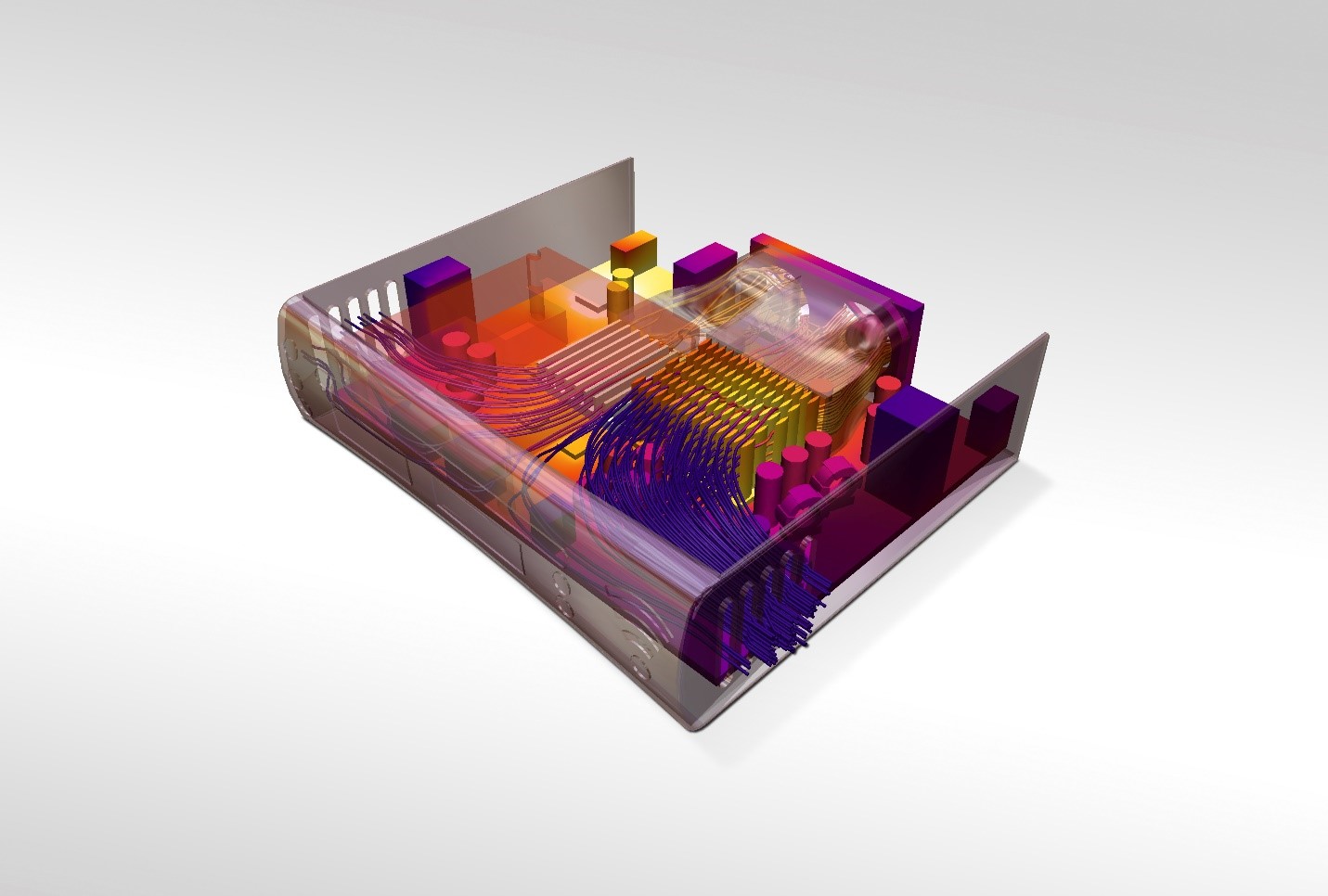
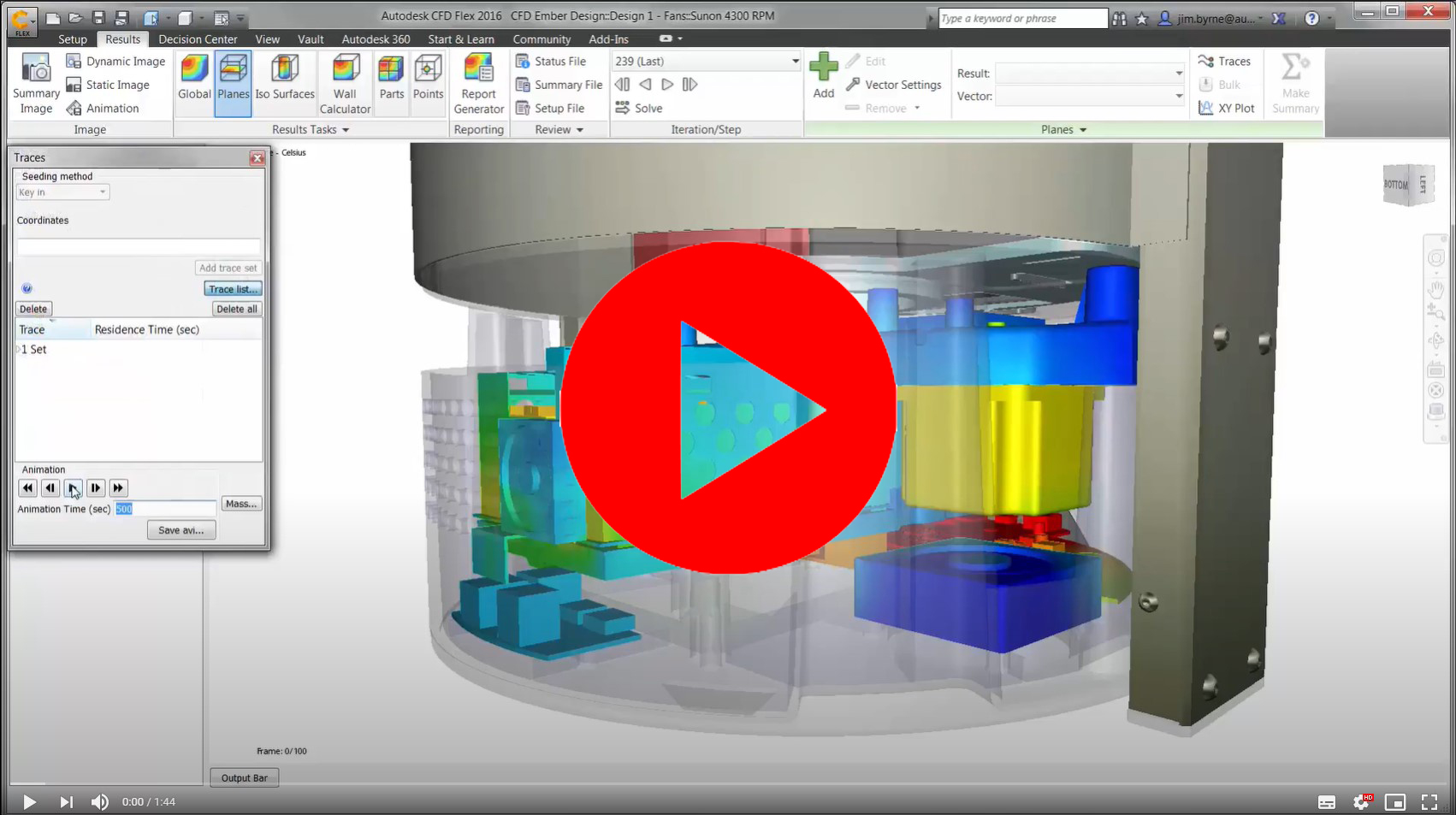
Autodesk® CFD gives engineers the ability to see invisible design parameters in their designs. Applying CFD to the design of cooling systems for electronics can deliver unexpected results. By modeling and analyzing airflow and heat flow in your products, you can optimize your design with confidence. With CFD simulation, you can easily overcome electronics cooling design challenges such as:
- Reducing product size
- Improving performance
- Reducing cost
- Extending device life
- Optimizing circuit boards
“Autodesk CFD helps our engineers create higher-quality products. It gives us an edge over our competitors, breaks through traditional design barriers and shapes realistic expectations for our future products.” –
Shannon Mutschelknaus – Daktronics